
Our practice provides comprehensive care for thyroid and parathyroid disorders — guiding each patient through their diagnosis and treatment plan with clear communication and lots of support.
The thyroid and parathyroid glands play vital roles in regulating your body's functions. Understanding how they work helps explain why surgery may sometimes be needed.
Is an Endocrine gland that is shaped like a butterfly sitting at the front of your neck, just below where you swallow.
The thyroid's job is to make hormones — chemical messengers that travel through your blood and tell your body how fast to work. These hormones control things like your energy levels, how quickly your heart beats, your weight, your body temperature, and even your mood.
When the thyroid makes too much or too little of these hormones — or when a suspicious lump grows inside it — that's when we consider thyroid surgery.
Despite having a very similar name, the parathyroid glands are separate from the thyroid and do a totally different job.
There are four parathyroid glands, each about the size of a green pea, tucked behind the thyroid gland. Their one and only job is to keep the amount of calcium in your blood at just the right level.
Calcium isn't just important for your bones and teeth — it also helps your muscles contract (including your heart muscle) and keeps your nerves working properly. If your parathyroid glands produce too much of their hormone (called PTH), your calcium levels go too high — and that can cause a whole range of problems, from kidney stones to weak bones to tiredness and brain fog.
Dr Kowsi will discuss the most appropriate type of surgery for you based on your diagnosis, the size and nature of any nodules, and your overall health.

The choice between a hemithyroidectomy and a total thyroidectomy depends on your specific diagnosis. Dr Kowsi will explain both options clearly so you can make an informed decision.
Hemithyroidectomy
A hemithyroidectomy means removing one half (one lobe) of the thyroid gland. Think of it like removing one wing of the butterfly. The other half stays in place and keeps working.
Common reasons for this surgery:
The great advantage of this surgery is that the remaining half of the thyroid often produces enough hormone on its own, meaning many patients don’t need to take thyroid hormone tablets for the rest of their lives. Dr Kowsi will check your thyroid function (blood test) to ensure the remaining thyroid gland has adequate function.
Total Thyroidectomy
A total thyroidectomy means removing the entire thyroid gland. After this surgery, your body can no longer make its own thyroid hormones, so you will take a small daily tablet (thyroxine) for the rest of your life to replace them.
Common reasons for this surgery:
Dr Kowsi will guide you through the investigation and surgical options most appropriate for your condition.
Dr Kowsi performs both minimally invasive and total parathyroid surgery. The approach depends on how many glands are affected and the underlying cause of your condition.
A small, focused operation to remove one overactive parathyroid gland (adenoma). The standard treatment for primary hyperparathyroidism where one gland is producing too much PTH.
A more complex operation where all four parathyroid glands are removed. Reserved for serious or complex conditions where multiple glands are overactive.
Dr Kowsi will organise investigations as appropriate for your specific condition and type of surgery planned.
Minimally Invasive Parathyroidectomy (MIP)
This is a small, focused operation to remove one overactive parathyroid gland (called an adenoma — a benign tumour). It is the most common type of parathyroid surgery and is the standard treatment for primary hyperparathyroidism, where one gland is producing too much PTH and causing calcium levels to become too high.
Common reasons for this surgery:
Total Parathyroidectomy
A total parathyroidectomy is a more complex operation where all four parathyroid glands are removed. It is reserved for more serious or complex conditions where multiple glands are overactive.
Common reasons for this surgery:
A small piece of parathyroid tissue is often re-implanted into the forearm muscle during this surgery (called autotransplantation), giving the body a small source of PTH to help regulate calcium going forward.
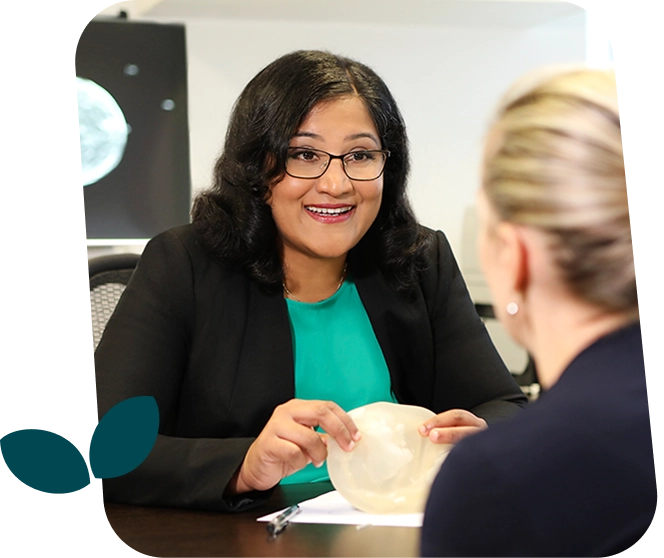
Every patient's situation is unique. Dr Kowsi takes the time to understand your circumstances and tailor a treatment plan to help you make confident decisions and support you through your journey.